


Turkish Table Etiquette and Dining Traditions
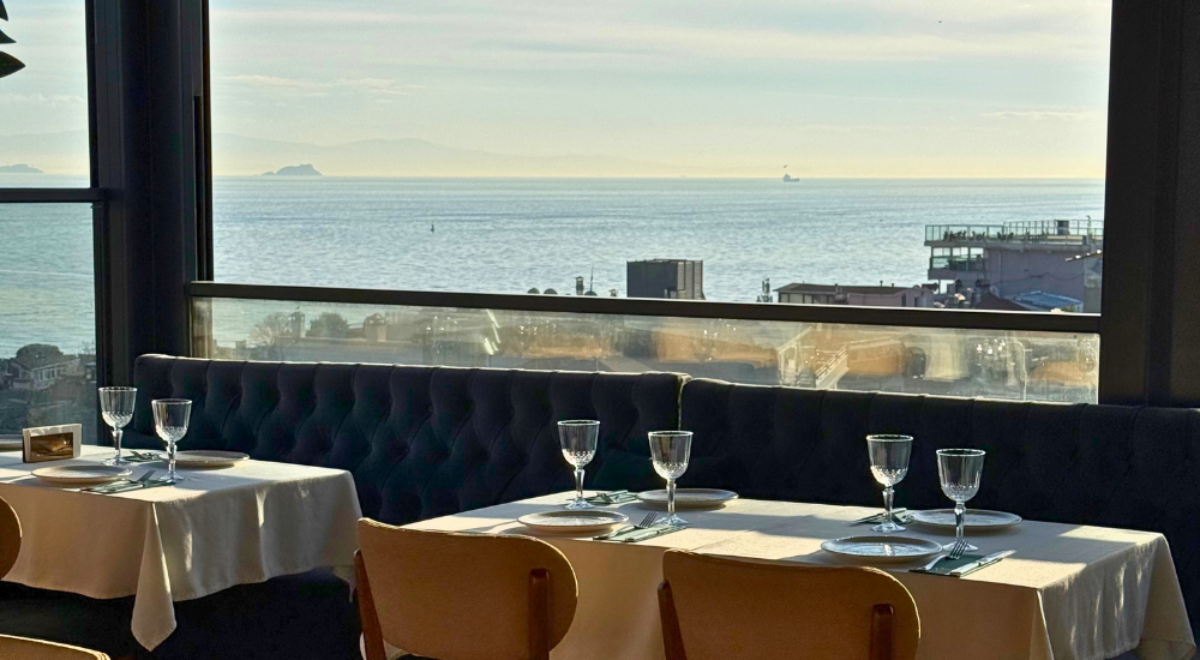
Turkish table etiquette is about much more than knowing how to behave while eating. The Turkish table reflects hospitality, respect for guests and elders, generosity, sharing, and the importance of spending time together. A meal can therefore become a social occasion where conversation matters almost as much as the food being served.
Understanding Turkish table etiquette can also make a visit to Türkiye more meaningful. From a generous breakfast spread to tea offered after dinner, many small details visitors encounter are connected to a broader culture of welcoming people and sharing food. Rather than following one rigid set of rules, Turkish dining traditions are shaped by consideration for the people sitting around the table.
Why Is the Table Important in Turkish Culture?
The dining table has long played an important role in Turkish family and social life. Everyday routines may have changed considerably over time, but family breakfasts, evening meals, holiday gatherings, dinners with guests, and long weekend tables remain familiar parts of contemporary life.
Food is important, but the act of eating together is equally significant. Sitting around the same table creates time for conversation and strengthens relationships between relatives, friends, neighbors, and guests. This is one reason meals in Türkiye can continue long after everyone has finished eating.
The connection between food and welcoming guests becomes even clearer when looking at hospitality in Turkish culture. Offering something to eat or drink is one of the simplest ways to make a visitor feel welcome, whether that means preparing a full dinner or simply serving tea and something sweet.
What Are the Basic Rules of Turkish Table Etiquette?
There is no single rulebook followed identically in every Turkish home. Habits vary between families, generations, regions, and occasions. A formal dinner in Istanbul may look quite different from a family meal in a small Anatolian town. Still, several values regularly appear across Turkish dining culture.
Respect and consideration are among the most important. Guests are usually made comfortable, older family members are treated respectfully, and hosts often pay attention to whether everyone has enough food. It is also common for a host to offer a second helping even when the guest says they are nearly full.
Some familiar Turkish dining habits include:
- Making sure guests have a comfortable place at the table,
- Sharing dishes rather than treating every plate as strictly individual,
- Showing consideration toward elders and other guests,
- Respecting food and avoiding unnecessary waste,
- Thanking the host or the person who prepared the meal,
- Continuing the gathering with tea, coffee, fruit, or dessert.
The important point is that Turkish table manners are generally less about formal protocol and more about making everyone around the table feel considered.
What Happens When Guests Come for Dinner?
Hospitality can transform an ordinary Turkish table. A household that might normally prepare only a few dishes may add additional starters, salads, a favorite main course, or dessert when guests arrive. Preparing more than seems necessary is often connected to the desire to make sure nobody leaves the table hungry.
The actual dishes vary considerably across Türkiye. A table in southeastern Türkiye may feature grilled meats and richly seasoned dishes, while an Aegean table may emphasize olive oil dishes, vegetables, and herbs. Other regions bring their own soups, breads, pastries, meat dishes, and desserts to the tradition.
Visitors interested in everyday meals beyond special-occasion dining can also explore what people eat for lunch in Turkish culture, where home-style dishes, soups, rice, yogurt, and other familiar foods reveal another side of Turkish culinary life.
Why Is Turkish Breakfast a Social Ritual?
Breakfast is one of the clearest examples of how food and social life come together in Türkiye. A traditional breakfast can include several types of cheese, olives, tomatoes, cucumbers, honey, jams, eggs, bread, simit, hot dishes, and seemingly endless glasses of tea.
The variety encourages sharing. Instead of receiving one individual plate and finishing quickly, everyone can reach for different foods while the conversation continues. Especially on weekends, breakfast may become a long gathering rather than simply the first meal of the day.
Travelers who would like to experience this tradition while visiting Istanbul can combine local food culture with a historic setting through a traditional Turkish breakfast in Sultanahmet, where the meal can be enjoyed against the skyline of the Old City.
Why Is Tea So Closely Connected to Turkish Hospitality?
A Turkish meal may finish, but the gathering often continues. Tea is one of the main reasons people stay around the table. It accompanies breakfast, afternoon conversations, visits between friends, business meetings, and the quiet period after dinner.
Served in its recognizable small glasses, Turkish tea can function almost like an invitation to stay a little longer. A newly arrived guest may be offered tea within minutes, while someone already sitting at the table may have their glass refilled several times during a conversation.
This social role is explored further in the story of Turkish tea and its place in Istanbul culture. From breakfast tables and restaurants to ferries and everyday conversations, tea is one of the easiest cultural rituals for an international visitor to encounter firsthand.
What Does Turkish Coffee Mean After a Meal?
Turkish coffee has its own place in hospitality culture. Unlike tea, which may continue throughout the day, coffee often creates a distinct pause after a meal or during a visit. It is served in small cups and is normally enjoyed slowly rather than consumed on the move.
Offering Turkish coffee can extend the conversation after dinner and create another moment of hospitality. Water and a small sweet may accompany it, while guests take their time and continue talking. For this reason, Turkish coffee is as much about the social moment surrounding the cup as the drink itself.
What Do “Afiyet Olsun” and “Ellerinize Sağlık” Mean?
Visitors dining in Türkiye will quickly encounter the phrase “Afiyet olsun.” It is broadly comparable to “enjoy your meal,” although it can be used in several situations before, during, or even after someone eats.
Another useful expression is “Ellerinize sağlık,” literally referring to the hands of the person who prepared the food. It is a warm way of thanking the cook or host for the effort that went into the meal.
These expressions reveal an important element of Turkish dining culture: appreciation is directed not only toward the finished food but also toward the effort of preparing and sharing it.
Why Is Sharing Food Important at a Turkish Table?
Many elements of Turkish cuisine naturally encourage sharing. Mezes can be ordered for the whole table, breakfast dishes are often served in the center, bread is shared, and groups may order several dishes so everyone can taste something different.
This can be especially enjoyable for someone discovering Turkish cuisine for the first time. Sharing a range of dishes makes it possible to experience different textures, spices, vegetables, grilled foods, and regional influences during the same meal.
The tradition also changes the pace of dining. Instead of simply finishing an individual plate, people talk about different dishes, recommend flavors to one another, and create a collective experience around the meal.
Experiencing Turkish Dining Culture in Sultanahmet
Understanding dining traditions becomes easier when they are experienced rather than simply described. Sultanahmet is particularly well suited to this because food, hospitality, and Istanbul’s historic identity meet within the same neighborhood.
At Queb Rooftop, visitors can experience a contemporary interpretation of this approach from breakfast through lunch and dinner. The panoramic views across Istanbul and the Bosphorus create the setting, while sharing a meal, taking time over tea, and enjoying attentive hospitality connect the experience to the broader traditions of the Turkish table.
The aim is not to recreate a private Turkish home word for word or ritual for ritual. Instead, the experience allows visitors to recognize some of the values behind Turkish hospitality—generosity, conversation, sharing, and allowing a meal enough time to be genuinely enjoyed.
A Turkish Table Tells a Cultural Story
Culture is not found only in museums, architecture, and historical documents. It can also be seen in the way people invite someone to sit down, refill a tea glass, share a plate, thank the cook, and continue talking after dinner is finished.
That is what makes Turkish table etiquette worth understanding. The individual customs may be simple, but together they reveal a culture in which food frequently becomes a way of welcoming people and bringing them closer together. For visitors to Istanbul, taking time for a Turkish breakfast, sharing a selection of dishes, or finishing dinner with tea overlooking the city can therefore become as meaningful as the food itself.
Frequently Asked Questions
What is Turkish table etiquette?
Turkish table etiquette is a collection of dining customs centered on respect, sharing, hospitality, consideration for guests, and appreciation for the person who prepared the food.
Is Turkish dining etiquette very formal?
Usually not. Formality depends on the occasion, but everyday Turkish table manners generally emphasize courtesy and consideration rather than complicated rules.
Why do Turkish hosts keep offering food?
Offering additional food is commonly associated with generosity and hospitality. Hosts often want to make sure their guests are comfortable and have eaten enough.
Why is tea served after meals in Türkiye?
Tea helps extend the social part of a meal. People can remain at the table, relax, and continue their conversation after the main dishes have been cleared.
What should a foreign visitor do at a Turkish table?
There is no need to memorize complicated rules. Follow the host’s lead, be considerate toward other guests, respond politely to offers of food, and thank the host or cook after the meal.
What do Turkish people say after a good meal?
“Ellerinize sağlık” is commonly used to thank the person who prepared the meal, while “Afiyet olsun” is a widely used expression wishing someone enjoyment of their food.
Recent posts


